| Line 139: | Line 139: | ||
<h5 class="title is-5">Cyber-Social Systems</h5> | <h5 class="title is-5">Cyber-Social Systems</h5> | ||
<ul> | <ul> | ||
| − | <li>Social computing technologies | + | <li>Social computing technologies</li> |
| − | Smart city | + | <li>Smart city</li> |
| − | Smart government</li> | + | <li>Smart government</li> |
</ul> | </ul> | ||
</div> | </div> | ||
| Line 147: | Line 147: | ||
<h5 class="title is-5">Big data and its analytics</h5> | <h5 class="title is-5">Big data and its analytics</h5> | ||
<ul> | <ul> | ||
| − | <li>Big data applications | + | <li>Big data applications</li> |
| − | Big data integrity | + | <li>Big data integrity</li> |
| − | Big data processing | + | <li>Big data processing</li> |
| − | Security and privacy in the era of data science and big data | + | <li>Security and privacy in the era of data science and big data</li> |
| − | Big data analysis and semantics | + | <li>Big data analysis and semantics</li> |
| − | Data visualisation</li> | + | <li>Data visualisation</li> |
</ul> | </ul> | ||
</div> | </div> | ||
| Line 158: | Line 158: | ||
<h5 class="title is-5"> Cognitive Computing </h5> | <h5 class="title is-5"> Cognitive Computing </h5> | ||
<ul> | <ul> | ||
| − | <li>Cognitive computing techniques using artificial intelligence, sophisticated pattern and speech recognition, and natural language processing | + | <li>Cognitive computing techniques using artificial intelligence, sophisticated pattern and speech recognition, and natural language processing</li> |
| − | Machine learning | + | <li>Machine learning</li> |
| − | Neural networks | + | <li>Neural networks</li> |
| − | Big data and cognition | + | <li>Big data and cognition</li> |
| − | Big data infrastructure for cognition</li> | + | <li>Big data infrastructure for cognition</li> |
</ul> | </ul> | ||
</div> | </div> | ||
| Line 181: | Line 181: | ||
</section> | </section> | ||
</html> | </html> | ||
| − | |||
| − | |||
| − | |||
| − | |||
| − | |||
| − | |||
| − | |||
| − | |||
| − | |||
| − | |||
| − | |||
| − | |||
| − | |||
| − | |||
| − | |||
| − | |||
| − | |||
| − | |||
| − | |||
| − | |||
| − | |||
| − | |||
| − | |||
| − | |||
| − | |||
| − | |||
| − | |||
| − | |||
| − | |||
| − | |||
| − | |||
| − | |||
| − | |||
| − | |||
| − | |||
| − | |||
| − | |||
| − | |||
| − | |||
| − | |||
| − | |||
| − | |||
| − | |||
| − | |||
| − | |||
| − | |||
| − | |||
| − | |||
| − | |||
| − | |||
| − | |||
| − | |||
| − | |||
| − | |||
| − | |||
| − | |||
| − | |||
| − | |||
| − | |||
| − | |||
| − | |||
| − | |||
| − | |||
| − | |||
| − | |||
| − | |||
| − | |||
| − | |||
| − | |||
| − | |||
| − | |||
| − | |||
| − | |||
| − | |||
| − | |||
| − | |||
| − | |||
| − | |||
| − | |||
| − | |||
| − | |||
| − | |||
| − | |||
| − | |||
| − | |||
| − | |||
| − | |||
| − | |||
| − | |||
| − | |||
| − | |||
| − | |||
| − | |||
| − | |||
| − | |||
| − | |||
| − | |||
| − | |||
| − | |||
| − | |||
| − | |||
| − | |||
| − | |||
| − | |||
| − | |||
| − | |||
| − | |||
| − | |||
| − | |||
| − | |||
| − | |||
| − | |||
| − | |||
| − | |||
| − | |||
| − | |||
| − | |||
| − | |||
| − | |||
| − | |||
| − | |||
| − | |||
| − | |||
| − | |||
| − | |||
| − | |||
| − | |||
| − | |||
| − | |||
| − | |||
| − | |||
| − | |||
| − | |||
| − | |||
| − | |||
| − | |||
| − | |||
| − | |||
| − | |||
| − | |||
| − | |||
| − | |||
| − | |||
| − | |||
| − | |||
| − | |||
| − | |||
| − | |||
| − | |||
| − | |||
| − | |||
| − | |||
| − | |||
| − | |||
| − | |||
| − | |||
| − | |||
| − | |||
| − | |||
| − | |||
| − | |||
| − | |||
| − | |||
| − | |||
| − | |||
| − | |||
| − | |||
| − | |||
| − | |||
| − | |||
Revision as of 07:39, 22 February 2018
- Media:Intelligent-Digital-Mesh.jpg
- Media:Infographic-Gartner.jpg
- Media:Imisc-2016-screenshot.png
- Media:Imisc-2017-screenshot.png

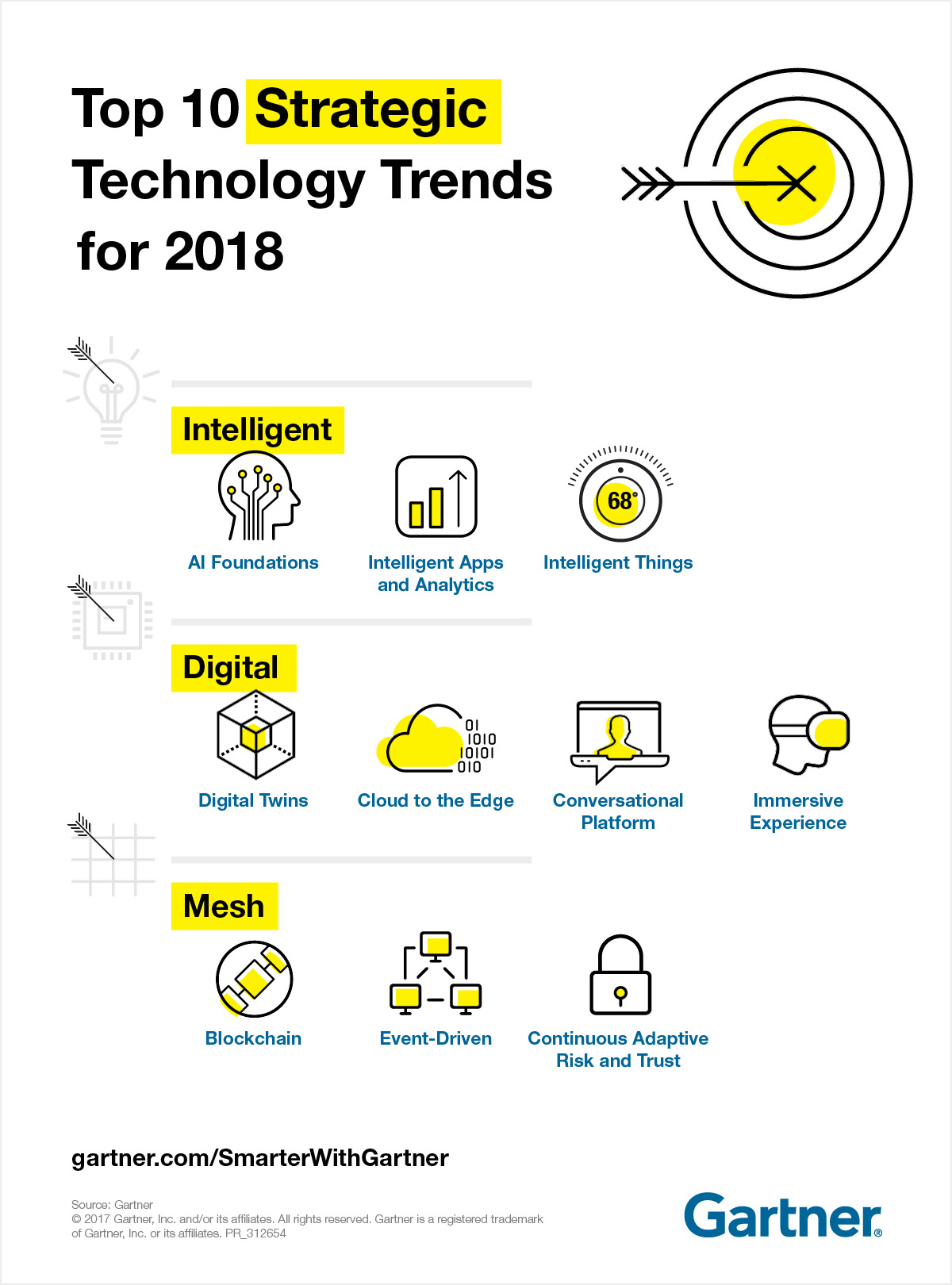


Conference Theme The Intelligent Digital Mesh, “an entwining of people, devices, content and services”, is this year’s cross-cutting theme. Sosyal Medya Uzmanlığı Sosyal Medya Uzmanlığı Sertifika Programı: Dijital ve sosyal medya uzmanı olmak isteyenler, marka yöneticileri, girişimciler, kurum çalışanları ve yöneticileri. MIS Administrative Office Mr. Yusuf Akkaya, Secretariat of the MIS Department Room # B267

Phone +90 312 906 1648 / Fax +90 312 906 2961
Topics of Interest
Concepts, models, methods, tools, and techniques in Enterprise and IS Engineering
- Business process management
- Business process modeling, analysis, and engineering
- Requirements engineering
- Enterprise architecture and frameworks
- Model-driven engineering
- Aspect-oriented analysis and modeling
- Domain-specific languages and tools
- Blockchain technology
- Advanced database systems
- Reuse
- Testing and validation
Architectures and quality aspects of information systems
- Service-oriented IS
- Multi-agent IS
- Process-aware IS
- Cloud-based IS
- Multi-platform IS
- Cyber-physical systems
- Internet of things
- Privacy, trust and security in information systems
- Quality of services
- Integration and interoperability
- Distributed, mobile and open architecture
Domain-specific information systems
- GIS
- Medical IS
- Legal IS
- Educational IS
Cyber-Social Systems
- Social computing technologies
- Smart city
- Smart government
Big data and its analytics
- Big data applications
- Big data integrity
- Big data processing
- Security and privacy in the era of data science and big data
- Big data analysis and semantics
- Data visualisation
Cognitive Computing
- Cognitive computing techniques using artificial intelligence, sophisticated pattern and speech recognition, and natural language processing
- Machine learning
- Neural networks
- Big data and cognition
- Big data infrastructure for cognition